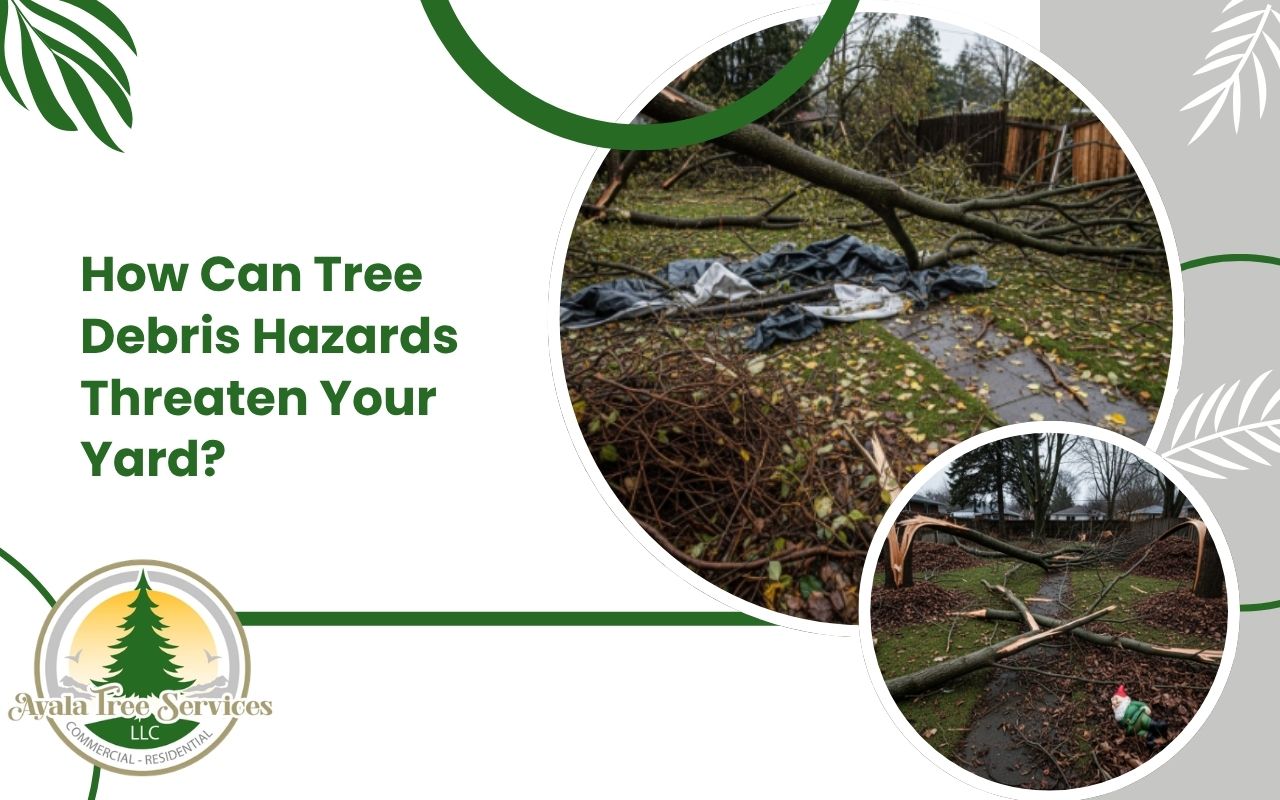
Scattered limbs, wet leaves, and hidden twigs can change a peaceful yard into a risky space. These small problems may damage equipment, block drainage, or cause someone to fall. When your yard starts showing signs of debris buildup, fast action helps protect your home, family, and outdoor areas.
How Can Tree Debris Hazards Threaten Your Yard?
Tree debris hazards can threaten your yard by creating trip risks, property damage, blocked drainage, pest problems, and unsafe cleanup conditions. Homeowners should inspect fallen branches, wet leaves, and scattered twigs often so small outdoor risks do not become costly safety concerns.
Tree debris cleanup involves removing fallen limbs, leaves, twigs, seed pods, and damaged wood from outdoor areas. Homeowners need this service when debris affects walkways, lawns, driveways, fences, or play spaces. The goal is to reduce injury risks, protect landscaping, and restore a cleaner yard after storms or seasonal shedding.
Tree Debris Hazards Create Daily Safety Risks Outdoors
Small debris can create real safety problems when it sits in grass, paths, or work areas. Tree debris hazards often include hidden sticks, wet leaves, seed pods, and broken limbs that make walking, mowing, and outdoor play less safe.
Many homeowners notice large limbs first. However, smaller debris can cause just as many problems. A twig hidden in tall grass can catch a shoe. A wet leaf mat can make steps slick. A branch near a mower can turn into a repair issue.
Expert Tip: 🌿 Check grass edges where small debris often hides.
At Ayala Tree Services LLC, we look for hidden trip points, sharp branches, blocked paths, and debris near structures. These details matter because a clean yard should also be safe to use.
- Wet leaves can make patios, steps, and walkways slippery.
- Loose sticks can damage mower blades and yard tools.
- Seed pods and pine cones can create uneven walking areas.
- Dead wood can attract insects when it stays damp.
A yard with loose debris needs quick attention when people walk, work, or play there every day. For disposal ideas, visit Safe Debris Disposal Tips.
Fallen Branches Hide Problems Around Busy Yard Areas
Fallen branches can hide in grass, collect near fences, or settle beside driveways after wind or rain. These branches may seem harmless, but they can damage equipment, scratch surfaces, block access, and cause injuries when people do not see them.
Busy yard areas need special attention because people move through them often. Children may run across the lawn. Guests may use side paths. Pets may drag sticks into unsafe spots. Therefore, branch cleanup should start where activity is highest.
With Ayala Tree Services LLC, you get clear guidance about which debris should be handled first. Large limbs near walkways, driveways, roofs, and fences usually need faster attention than small twigs in open lawn areas.
- High priority: branches on paths, steps, driveways, and play areas.
- Medium priority: branches near fences, gutters, drains, and garden beds.
- Lower priority: light twigs in open areas with no foot traffic.
Fallen branches should not stay near mower routes or outdoor work areas. One hard limb can damage blades, wheels, or other equipment.
Yard Hazards Increase Property Liability And Cleanup Pressure
Yard hazards become more serious when debris reaches walkways, sidewalks, shared property lines, or guest areas. A homeowner may face injury concerns, neighbor complaints, or local cleanup issues when loose branches and leaves create unsafe outdoor conditions.
Liability concerns often start with simple neglect. A visitor may trip over a hidden stick. A sidewalk may become blocked after wind moves branches. A pile of leaves may hold moisture near wood, fencing, or foundation areas.
Our team at Ayala Tree Services LLC helps customers understand where safety concerns are most urgent. We check common risk zones and explain the next cleanup step before the problem spreads.
Cleanup urgency is higher when debris affects movement, drainage, visibility, or access. It also rises when debris crosses property lines or creates a concern for neighbors.
A clean yard is easier to inspect, easier to maintain, and safer for daily use. Prompt cleanup also keeps small problems from turning into disputes.
Cleanup Urgency Protects Landscaping After Harsh Weather Events
Storms, heavy rain, and strong winds can scatter debris across a yard within minutes. Cleanup urgency matters after harsh weather because broken limbs, wet leaves, and shifted branches can block drains, smother grass, and create new walking hazards.
After a storm, start with safety before appearance. Do not touch branches near power lines. Do not walk under cracked limbs. Instead, scan the yard from a safe place and note the biggest visible risks.
Red Flag: ⚠️ Debris near drains needs fast attention.
According to the University of Minnesota Extension, storm-damaged trees may have broken limbs, torn bark, or structural damage that needs careful review. This makes post-storm inspection an important step before cleanup begins.
- Check driveways, walkways, and entrances first.
- Look for limbs resting on fences, roofs, or sheds.
- Clear drainage areas before more rain arrives.
- Move loose debris away from steps and patios.
- Call for help when branches are heavy or unstable.
After you book with Ayala Tree Services LLC, we review the debris location, visible risks, access points, and cleanup needs. For storm-related help, visit Post Storm Debris Clearing.
Safe Removal Methods Reduce Injury During Debris Work
Safe cleanup starts with the right tools, steady footing, and a clear plan. Homeowners should avoid lifting heavy branches alone, cutting unstable limbs, or using power tools near hidden hazards without proper care and protective equipment.
Tree debris work can involve sharp limbs, uneven ground, heavy branches, and equipment risks. For that reason, unsafe debris work should not be rushed, especially when large branches or unstable areas are involved.
When customers contact Ayala Tree Services LLC, we first ask about debris size, location, access, and visible risks. Then we explain whether the cleanup looks simple, heavy, storm-related, or better handled by trained crews.
- We ask where the debris is located.
- We review photos when available.
- We check for access, slope, fences, and structures.
- We explain safe repair or cleanup options.
- We help plan removal and disposal when needed.
Protective gloves, closed-toe shoes, rakes, loppers, and carts can help with light cleanup. However, large limbs need careful handling.
Eco Friendly Disposal Supports Cleaner Outdoor Spaces Long-Term
Eco-friendly disposal keeps usable organic material out of waste piles when it can support the landscape. Leaves, small twigs, and clean wood chips may help gardens, while larger branches may need green waste pickup or professional hauling.
Not every pile belongs in the same place. Clean leaves can become compost. Small branches may become mulch. Diseased wood, treated wood, or pest-filled debris should be handled with more care.
Healthy debris can support soil when it is composted or chipped correctly. However, damp piles should not sit against fencing, decks, or foundations because moisture can create new problems.
Common Mistake: 🍂 Letting wet leaves sit too long.
Useful disposal choices include:
- Composting dry leaves and small twigs.
- Using clean wood chips around plant beds.
- Scheduling green waste pickup when available.
- Requesting haul-away for larger debris piles.
Proper disposal protects curb appeal and keeps the yard easier to maintain. It also helps prevent leftover debris from becoming another safety issue.
Simple Booking Steps Prepare Your Debris Cleanup Visit
A clear booking process helps homeowners know what to expect before debris cleanup begins. The best first step is to share what happened, where the debris sits, and whether any branches affect paths, structures, or power lines.
During the first contact, we may ask about the size of the debris, recent storms, tree condition, and access to the work area. Photos can help us understand the situation before the visit.
Before work begins, we explain the visible cleanup priorities and discuss any concerns. This may include heavy limbs, blocked drains, unstable branches, or debris near structures.
- Send a message or call with the debris concern.
- Share photos when the area is safe to photograph.
- Describe access points, gates, slopes, and nearby structures.
- Review the cleanup plan before work starts.
- Ask about disposal needs after the debris is removed.
This process helps avoid confusion and supports a safer cleanup visit. To request help, visit Contact Our Team.
Frequently Asked Questions
How do I know when fallen branches are dangerous?
Fallen branches are dangerous when they block walkways, rest on structures, hide in grass, or sit near power lines. Heavy limbs, cracked branches, and debris near busy areas need faster attention. For storm cleanup help, visit Post Storm Debris Clearing.
When should I clean up yard hazards after a storm?
Clean up yard hazards after conditions are safe and visible risks are clear. Start with paths, driveways, drains, and play areas. Do not touch debris near power lines or unstable trees.
What happens if cleanup urgency is ignored too long?
Ignoring cleanup urgency can lead to slips, mower damage, blocked drainage, pest activity, and poor curb appeal. Debris can also shift after wind or rain, creating new hazards in areas that looked safe earlier.
Why are wet leaves and small twigs a concern?
Wet leaves and small twigs can hide uneven ground, make steps slippery, and trap moisture near plants or structures. These small items often create everyday safety risks because people overlook them.
How can I dispose of tree debris safely?
Light leaves and clean twigs can often be composted or placed with green waste. Larger branches may need chipping, hauling, or professional removal. For more ideas, visit Safe Debris Disposal Tips.
Clear Yard Decisions Bring Safer Outdoor Living Benefits
Safe yards come from regular checks, fast action, and smart cleanup choices. Contact Ayala Tree Services LLC when debris feels heavy, risky, or hard to manage. We can help you plan the next step through Contact Our Team.