
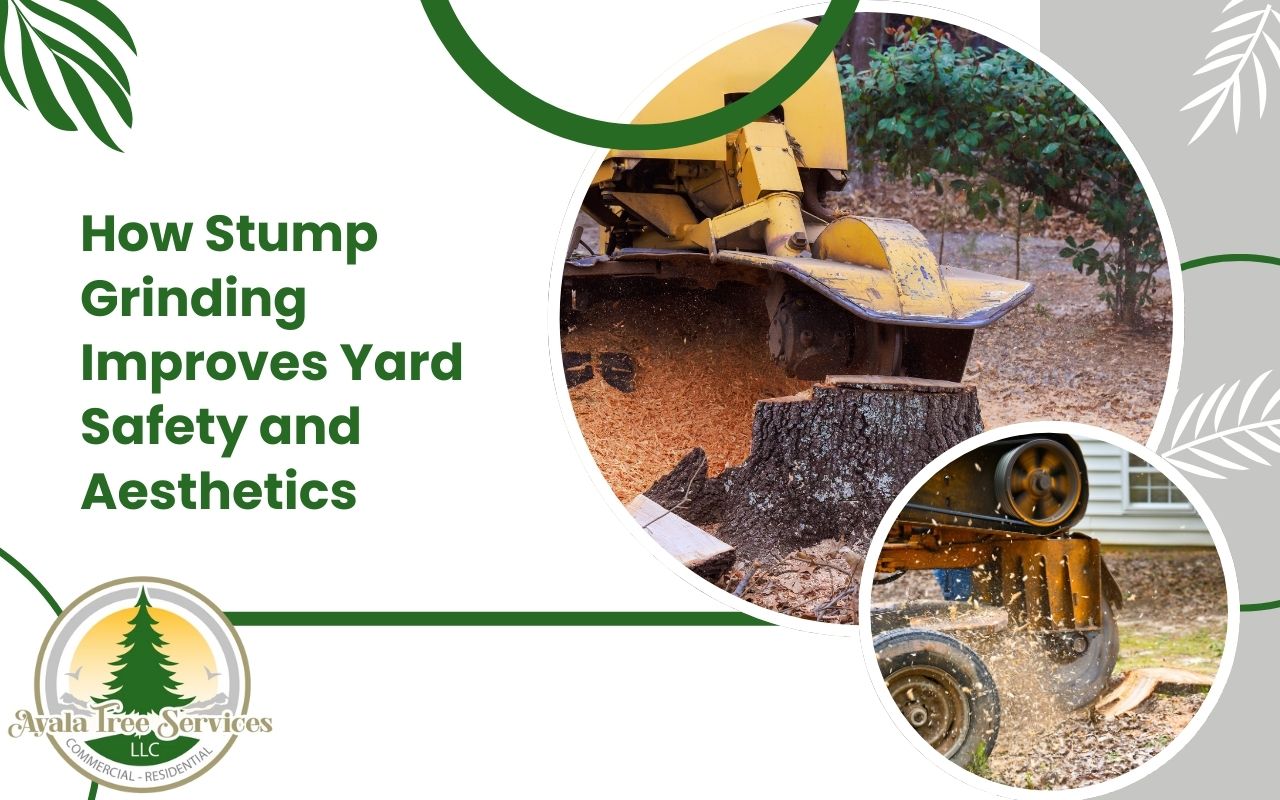
Homeowners in Roswell, GA often wonder how stump grinding improves yard safety and aesthetics while restoring a clean, welcoming landscape. Leftover stumps can cause trips, attract pests, and disrupt garden design. By removing them correctly, you protect your family, simplify lawn restoration, and open space for new plants, patios, or play areas that truly upgrade outdoor living for years ahead.
How Stump Grinding Improves Yard Safety and Aesthetics
Stump grinding eliminates trip hazards, discourages pests, and levels the ground so mowing and landscaping stay easy. By turning old stumps into mulch below soil level, it supports healthier lawn restoration and cleaner garden design without chemical treatments, giving you a safer, more attractive yard your family can enjoy every day.
Why Removing Tree Stumps Matters
Addressing a tripping hazard stump is one of the first steps toward a safer yard. Low stumps can hide under grass or leaves, turning a simple walk, backyard game, or evening gathering into a fall risk for kids, guests, and pets.
Decaying stumps also invite insects and fungi. As part of a pest prevention stump strategy, removing them keeps termites, ants, and beetles from migrating toward nearby plants or your home. It also prevents old roots from competing with new shrubs or grass for nutrients and water.
Eliminating stumps simplifies mowing, edging, and future garden design. Instead of steering around obstacles, you enjoy a smoother, more efficient yard-care routine that boosts curb appeal.
- Lower injury risk: No hidden obstacles in grass or play areas.
- Better pest control: Fewer damp, decaying wood pockets that attract insects.
- Healthier plants: Nearby trees and turf receive more water and nutrients.
- Easier maintenance: Mowers and trimmers can move freely across the lawn.
Key Safety Benefits of Stump Grinding
Stump grinding tackles the safety issues stumps create at and below the surface. By grinding well below grade, professionals remove exposed roots that can snag feet, lawn equipment, or toys. This is especially important in high-traffic areas like play zones, paths, and outdoor entertaining spaces.
Deep roots left untouched can interfere with new fence posts, irrigation, or patio footings. Grinding down the main root mass reduces the chance of underground voids or shifting soil that might weaken hardscapes or create uneven ground.
- Reduced trip-and-fall risks in walkways and play spaces.
- Fewer surprises when digging for fences, plantings, or lighting.
- Less damage to sidewalks and driveways from root heaving.
- Cleaner, safer mowing routes for anyone caring for the yard.
How Stump Grinding Improves Curb Appeal
Stumps break the visual flow of your landscape and can make even a well-kept yard feel unfinished. Once grinding is complete, you gain a clear, level surface that’s ready for lawn restoration, new beds, or hardscaping features that highlight your home instead of dated tree remnants.
With that open space, you can design sweeping lawn lines, layered planting beds, or cozy seating areas that align with your garden design goals. Reclaimed space might become a fire pit, a children’s play corner, or a new specimen tree that anchors your front yard.
- Smoother sightlines that showcase your home and landscaping.
- Room for new features like seating areas, pathways, or raised beds.
- Uniform turf coverage once seeding or sodding fills in the grinding area.
- Improved first impressions for visitors and potential buyers.
Understanding the Stump Grinding Process
Professional crews begin with a site assessment, checking stump size, access, slope, and nearby structures. They also locate utilities and irrigation to avoid underground damage. Debris and rocks are cleared to create a safe work zone.
A specialized grinder then uses a rotating cutting wheel to chip the wood into small pieces. The operator moves the machine back and forth over the stump, gradually lowering the wheel until the stump and primary roots are shredded below soil level.
The resulting cavity is typically backfilled with a mix of wood chips and soil. This prepares the spot for future lawn restoration, plantings, or hardscape installation without leaving a large open hole.
Safety Measures During Stump Grinding
Safety is central to every professional stump grinding job. Technicians wear protective eyewear, ear protection, gloves, and sturdy footwear. They often cordon off the work zone so family members, pets, and neighbors remain a safe distance from flying debris.
Before starting, crews double-check for buried wires, irrigation lines, and nearby structures or play equipment. In tight spaces, they may use shields or plywood to help contain chips and protect windows, siding, or fences.
Clear communication prevents accidents. Operators and spotters coordinate machine movement so no one enters the danger zone around the cutting wheel. These practices protect both the crew and your property as the stump is ground away.
Eco-Friendly Benefits of Stump Grinding
Choosing grinding over chemical stump removers avoids harsh products that can seep into soil, beds, and groundwater. Mechanical removal relies on equipment instead of chemical breakdown, making it a safer option for families, pets, and pollinators.
Wood chips from the stump can be reused as mulch around trees and garden beds. This mulch helps retain moisture, suppress weeds, and slowly return organic matter to the soil—an easy win for sustainable garden design.
Some providers also haul chips to composting sites or community gardens. That keeps organic material out of landfills and supports a more circular approach to yard waste.
Maintaining Your Yard After Stump Grinding
Once grinding is complete and the area is backfilled, it’s time to rebuild healthy turf or plantings. Good maintenance in the weeks and months after the service will help your renewed landscape thrive.
- Level and amend soil: Add topsoil or compost and lightly compact for a smooth surface.
- Seed or sod promptly: Choose grass suited to your climate and light conditions.
- Water consistently: Keep the area evenly moist until roots are established.
- Monitor for pests: Spread any remaining chips thinly so they don’t shelter insects.
Ongoing care such as proper mowing height, periodic aeration, and pruning nearby shrubs keeps the renewed area consistent with the rest of the lawn and supports long-term lawn restoration success.
Choosing Stump Grinding Pros in Roswell, GA
Selecting the right team ensures safe, efficient results. Look for insured, well-reviewed professionals who clearly explain their process and cleanup. In Roswell, GA, trusted providers offer dedicated stump grinding services in Roswell, GA along with complementary tree removal in Roswell, GA when needed.
Cost Considerations for Stump Grinding
Pricing depends on stump diameter, root spread, access, and how many stumps are treated at once. Hard-to-reach stumps or those close to structures may require more time. When comparing quotes, confirm whether estimates include debris removal, leveling, and reseeding—or if those steps are offered as add-on services.
Frequently Asked Questions
Is stump grinding safer than leaving the stump in place?
Yes. Removing a tripping hazard stump reduces fall risks, discourages pests, and prevents root interference with hardscapes. It also prepares your yard for new plantings or outdoor features without hidden obstacles.
Can I landscape immediately after grinding a stump?
In many cases you can start basic lawn restoration right away, especially if the area is well-leveled and backfilled. For larger stumps, let the soil settle briefly, then add topsoil before seeding, sodding, or installing beds.
Will a ground stump grow back?
Proper grinding greatly reduces the chance of regrowth by removing the stump and main roots below soil level. For stubborn species, pairing grinding with professional follow-up, such as the benefits of professional stump grinding, helps prevent suckers.
How does stump grinding help with pest control?
Old stumps trap moisture and decay, creating a natural pest prevention stump strategy when removed. Without rotting wood, termites, ants, and borers are less likely to settle in and migrate toward your home or nearby plants.
How do I schedule professional stump grinding?
Start by requesting a quote that includes stump size, location, and cleanup details. To plan a project tailored to your yard, you can contact Ayala Tree Services and ask about stump removal benefits, bundled services, and available dates.
How to Prepare for Professional Stump Grinding
- Clear the area: Move furniture, toys, planters, and vehicles away from the stump.
- Mark underground features: Flag sprinklers, landscape lighting, and known utility lines.
- Plan access: Ensure the crew has a clear path for equipment from the street or driveway.
- Discuss cleanup: Decide whether you’ll keep the chips as mulch or prefer haul-away.
- Review future plans: Tell your provider if you’ll replant, add sod, or build a patio so they grind to the right depth.
- Confirm details in writing: Use a written estimate or work order that outlines scope, timing, and pricing before work begins.