
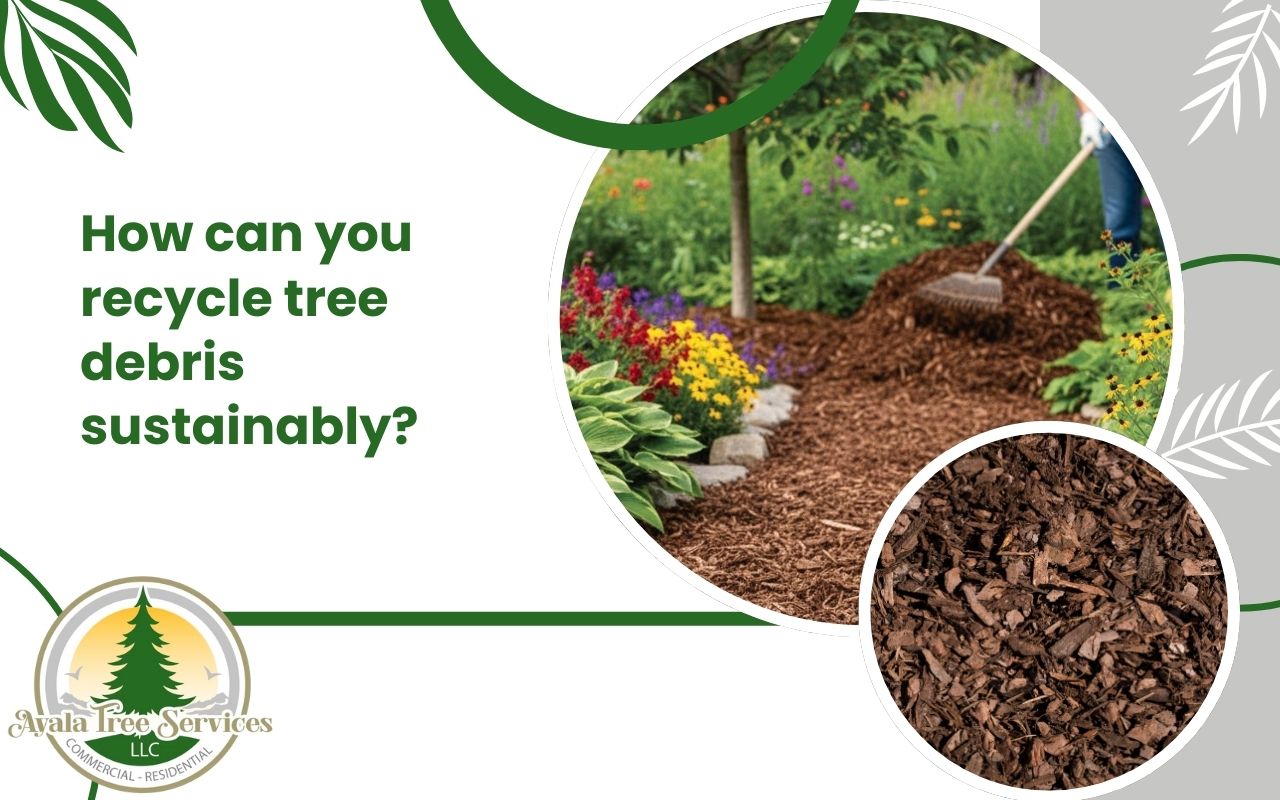
Tree trimming doesn’t have to end in overstuffed bags and landfill waste. By learning Eco-Friendly Ways to Recycle Tree in Debris, you can turn branches, leaves, and logs into resources that feed your garden, support local ecosystems, and lower disposal costs while keeping Roswell, GA’s outdoor spaces healthier, safer, and more resilient year-round for families, businesses, and neighborhood green projects alike.
How can you recycle tree in debris sustainably?
You can recycle tree in debris sustainably by chipping branches into mulch, composting leaves, and reusing logs as firewood or habitat rather than sending them to landfills. Partnering with eco-friendly debris disposal services in Roswell, GA keeps cleanup safe, efficient, and aligned with local regulations.
Benefits of recycling tree debris
Recycling tree debris reduces landfill waste, protects air quality, and turns organic material into valuable landscape resources. When you choose Eco-Friendly Ways to Recycle Tree in Debris, branches and leaves become mulch or compost instead of generating methane in landfills. This saves energy that would otherwise go into manufacturing commercial soil amendments and bagged products.
Local economies benefit as residents hire professional debris removal, rent chippers, or join community composting programs. Homeowners gain healthier soil with fewer chemical inputs, while municipalities experience lower disposal costs and less strain on local landfills. Over time, these habits build a culture of sustainable disposal and shared responsibility for neighborhood green spaces.
- Lower landfill tonnage and greenhouse gas emissions.
- Healthier garden soil with better structure and drainage.
- Reduced need for synthetic fertilizers and bagged mulch.
- Cost savings for homeowners and municipalities.
- Stronger community engagement in urban forestry care.
What types of tree debris can be recycled?
Not all yard waste is equal, but much of it can be reused instead of discarded. Most woody and leafy material from pruning, storm damage, or removals has a second life when processed correctly.
Common recyclable debris includes:
- Small and medium branches suitable for chipping.
- Twigs and brush that can be shredded or mulched.
- Leaves ideal for composting or leaf mold.
- Bark and small logs for mulch or habitat projects.
- Woody chunks that can be milled or used as firewood where allowed.
By sorting material before pickup, you make it easier for crews or facilities to convert debris into mulch, compost, or other useful products through sustainable disposal practices.
Why sustainable disposal methods matter
Simply piling or dumping tree debris can invite pests, diseases, and fire risks while wasting valuable organic matter. When branches and leaves decompose unmanaged, they may smother turf, clog drainage, or harbor insects that stress nearby trees and shrubs.
Sustainable disposal breaks this pattern. Shredding, composting, or professionally hauling debris keeps neighborhoods cleaner and safer. In Roswell, GA and similar communities, guidelines, green-waste sites, and curbside yard programs support responsible handling. Choosing services that prioritize recycling over burning or landfilling helps protect local waterways, wildlife, and public health.
Innovative recycling solutions in Roswell, GA
Roswell, GA is a strong example of how local initiatives can transform tree waste into community assets. Residents increasingly rely on skilled crews using modern debris removal techniques to sort and process logs, limbs, and brush for reuse.
Some programs chip tree debris into mulch for parks and trails; others route material into regional composting operations. After severe weather, specialized post-storm debris clearing support helps restore access quickly while recovering as much wood and leaf material as possible. These solutions keep green waste in circulation, not in the landfill.
Turning branches into mulch for your landscape
Creating mulch from branches is one of the most practical home-scale strategies. Instead of paying to haul limbs away, you can turn them into a moisture-holding blanket that protects soil and plant roots.
When properly chipped and applied, mulch from branches suppresses weeds, stabilizes soil temperature, and slowly adds organic matter. To do this safely and effectively, many homeowners partner with certified arborists or debris specialists who can chip limbs on-site and leave the mulch for immediate use.
- Chip branches into small, uniform pieces.
- Spread mulch 2–4 inches deep, keeping it off trunks.
- Refresh annually as the material breaks down.
If you prefer a hands-off approach, ask your provider whether they can recycle your branches at a mulch processing facility and deliver finished product back to your property.
Composting leaves for environmental benefits
Fallen leaves are a powerful resource when managed correctly. Instead of bagging them, consider composting leaves to create a nutrient-rich amendment for gardens and landscape beds.
Build a simple pile by alternating dry leaves with “green” materials like grass clippings or vegetable scraps. Turn the pile occasionally to add oxygen and maintain moisture similar to a wrung-out sponge. Within months, light, crunchy leaves transform into dark, crumbly compost that improves soil structure, water retention, and microbial life.
Using home-made compost reduces dependence on synthetic fertilizers, helps soils hold more water during drought, and keeps organic matter out of landfills—an important climate benefit.
Smart wood chip uses in your garden
Wood chip uses extend well beyond basic ground cover. After branches and small logs are processed through a chipper, the resulting material can serve multiple roles around your property.
Wood chips are excellent for informal garden paths, play areas, and tree rings where you want cushioning and weed suppression without plastic or rubber products. Over time, they decompose slowly, adding organic matter to the upper soil horizon.
You can also use chips for:
- Mulching perennial beds and shrub borders.
- Creating erosion-control buffers on slopes.
- Insulating soil around young trees against heat and cold.
- Defining low-maintenance areas in side yards or under mature trees.
When in doubt, ask your debris provider whether their chipped material is clean and untreated, making it safe for landscape use.
Creative DIY projects with recycled tree debris
Tree debris can fuel creativity, not just soil health. Thinner branches can become garden stakes, trellis frames, or rustic fencing. Small logs may be cut into stepping “cookies” for informal paths or seating in play areas.
Bark and limb slices can be turned into coasters, centerpieces, or wall art that highlight the natural grain of the wood. Sawdust from cutting and chipping can be repurposed as animal bedding or used carefully in compost as a carbon-rich “brown” material. Exploring these projects is a fun way to see tree debris as raw material rather than clutter.
Frequently Asked Questions
Is it cheaper to recycle tree in debris than haul it to the landfill?
Yes, recycling often lowers long-term costs. Turning debris into mulch or compost can reduce landfill fees and future spending on bagged products. When you work with local experts who prioritize recycling, you gain healthier soil and cleaner landscapes without paying twice for disposal and new materials.
Can I handle tree debris recycling myself, or should I hire a pro?
Light raking, small piles, and basic composting are reasonable DIY tasks. For heavy limbs, storm damage, or work near structures and power lines, it’s safer to hire professionals using proven debris removal techniques and insurance-backed practices.
What should I do with tree debris after a major storm?
After a storm, prioritize safety and clear access before worrying about recycling. Once hazards are addressed, specialized crews can provide post-storm debris clearing, sorting what can be chipped, composted, or repurposed. This approach keeps recovery fast while maximizing material reuse.
How do I know if my debris is safe to turn into mulch or compost?
Avoid material that’s diseased, heavily infested, or chemically treated. Healthy branches and leaves from standard pruning are usually safe to recycle. If you’re unsure, consult certified arborists or follow expert safe debris disposal tips for homeowners before using debris in gardens or play areas.
Who should I contact to schedule eco-friendly tree debris recycling?
For larger projects, ongoing maintenance, or specialized equipment, reach out through the contact form for professional tree debris recycling services. A local team can recommend the best mix of chipping, composting, and hauling based on your property and city regulations.
How to recycle tree in debris at home
Homeowners can follow a simple process to reuse most of their tree debris safely.
- Sort debris into leaves, small branches, and larger logs.
- Designate a compost area for leaves and small, shredded material.
- Rent or arrange for a chipper to process branches into mulch.
- Spread mulch around trees and beds, keeping it a few inches from trunks.
- Store suitable logs for firewood or donate them where permitted.
- Schedule professional pickup for oversize or hazardous material.
How recycling tree debris supports a healthier planet
Every branch kept out of the landfill moves communities closer to climate and conservation goals. By exploring Eco-Friendly Ways to Recycle Tree in Debris—such as chipping, composting, and creative reuse—you support richer soils, cleaner air, and more resilient urban forests.
When neighbors, businesses, and city programs work together, tree debris becomes a shared resource instead of a shared problem. Choosing recycling-focused services sends a clear message: healthy trees, healthy soil, and healthy communities all go hand in hand.
References
- How to compost—and why it’s good for the environment – National Geographic
- ‘People feel a sense of ownership’: the growth of community composting – The Guardian