
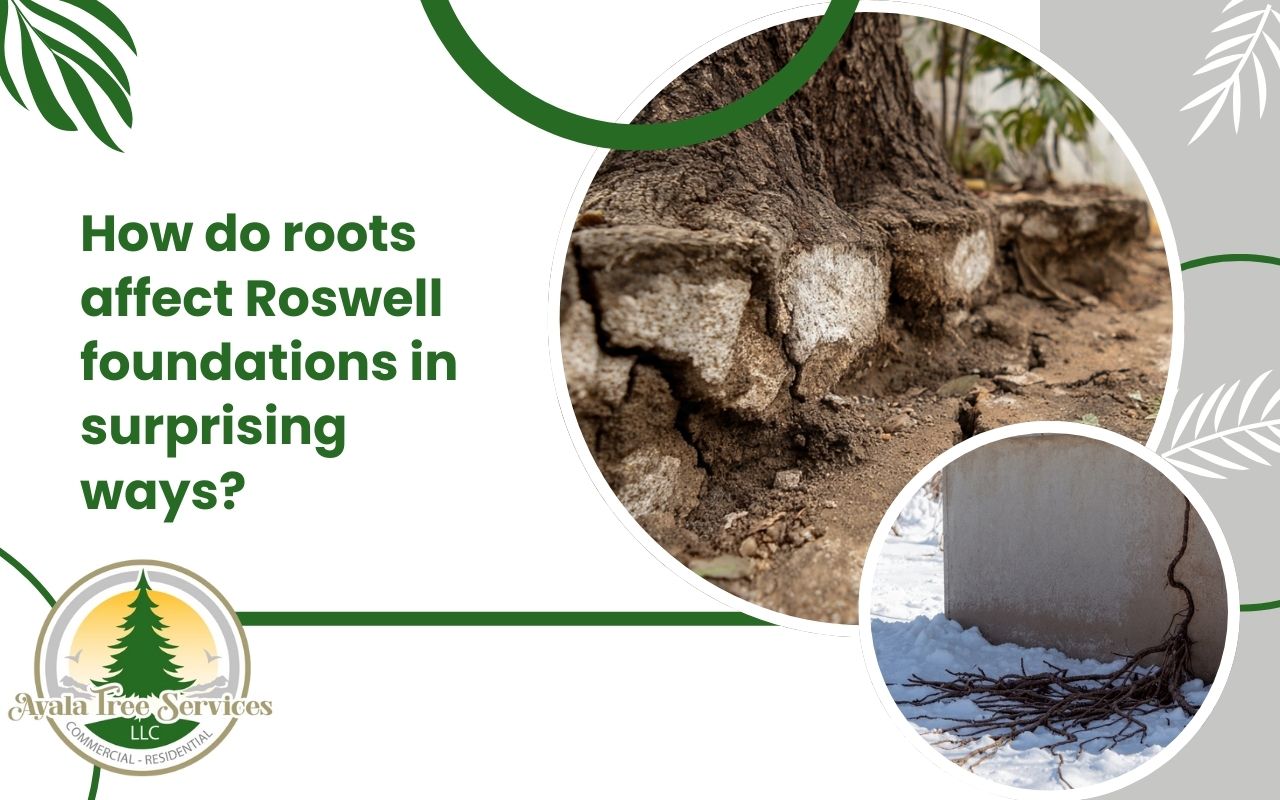
Tree roots don’t just lift sidewalks—they can quietly shift soil, trap moisture, and stress a home’s slab or crawlspace. In Roswell, seasonal rain followed by winter cold creates a perfect setup for hidden movement below grade. Understanding what roots seek, how they spread, and why freeze-thaw cycles matter helps you spot problems early and protect your property all year long.
How do roots affect Roswell foundations in surprising ways?
Roots affect foundations by changing soil moisture and pushing against weak points. In Roswell, roots can follow water along footings, widen existing hairline cracks, and intensify movement during freeze-thaw weather. The result may look like “settling,” but it often starts as slow underground pressure that’s easier—and cheaper—to address early.
If you’re researching How Roots Affect Roswell Foundations, focus on what’s happening in the soil first: roots don’t need to “break” concrete to cause trouble—they only need an opening, moisture, and time.
The role of roots in foundation damage
Roots naturally grow toward moisture and oxygen. The soil around foundations can stay damp due to downspouts, irrigation, or low spots, so roots may concentrate along the perimeter. Once they encounter tiny gaps, they can enlarge them indirectly by moving soil, disrupting drainage, and repeatedly applying pressure as they thicken.
Key ways roots trigger underground damage
- Soil moisture swings: roots pull water from soil, which can shrink and settle unevenly near slabs.
- Pathfinding into cracks: fine roots exploit hairline openings and can widen them over time.
- Drainage disruption: root mats redirect water toward walls, increasing saturation near footings.
- Mechanical pressure: thickening roots can press against masonry, pavers, and weak concrete edges.
- Compounded seasonal movement: repeated wet-dry cycles amplify shifting around the foundation.
Why winter can make the problem worse
Even when above-ground growth slows, roots can still stress nearby structures. In colder snaps, Frozen ground root expansion can change soil volume and position, and Winter root pressure may increase where roots and saturated soil sit against foundation walls. This is why minor cracks sometimes “show themselves” after winter, especially where drainage is already poor.
Tree species and planting distances that raise risk
- Fast-growing, thirsty trees: species that chase moisture aggressively can extend roots broadly.
- Mature shade trees near the house: larger canopies often correlate with wider root zones.
- Multiple trees planted in a line: roots can form a dense network that alters drainage patterns.
- Trees near utilities: roots may follow trenches and disturbed soil toward structures.
As a practical rule, the closer a large tree is to a home, the more important regular monitoring becomes—especially in clay-heavy or moisture-variable soils.
Signs your foundation may be feeling root pressure
- New hairline cracks in basement or crawlspace walls (or cracks that widen seasonally)
- Sticking doors/windows or frames that suddenly feel “out of square”
- Uneven floors or a new slope/bounce in one area of the home
- Exterior heaving along driveways, walkways, or porch slabs
- Soil gaps forming beside the foundation line after dry periods
Prevention and mitigation strategies that protect your home
Understanding How Roots Affect Roswell Foundations helps you prioritize the right fixes: stabilize moisture, improve drainage, and control root pathways before cracks grow. Start by directing downspouts away from the home, avoiding overwatering near the perimeter, and keeping mulch/soil from piling against siding or vents.
If roots are already approaching the structure, review safe options in Tree Root Removal Near Foundation with Effective Methods to understand barrier placement, pruning considerations, and when professional removal is safer than DIY.
For properties outside Roswell—especially if you need ongoing pruning, removals, or storm cleanup—see Where to Find Reliable Tree Services in Marietta GA for service context and coverage.
- Walk the perimeter after rain: note pooling water, soft spots, or persistent damp soil near walls.
- Look for surface clues: lifted pavers, bulging soil, or cracks that “point” toward nearby trees.
- Inspect inside: photograph hairline cracks and re-check monthly for widening or length changes.
- Map nearby trees: record distance from the house and canopy size; prioritize the closest mature trees.
- Confirm root locations: if symptoms are active, consider a professional assessment before cutting roots.
- Choose the right fix: barriers, selective pruning, drainage improvements, and targeted sealing often work best together.
Frequently Asked Questions
Can you remove roots near my foundation without killing the tree?
Often, yes—if pruning is selective and planned. The safest approach depends on tree species, root size, and how close the roots are to the trunk and footings. For methods and guardrails, start with Tree Root Removal Near Foundation with Effective Methods.
Is a root barrier worth it in Roswell?
If you have a mature tree within the active root zone of your home, barriers can be a smart long-term control. They don’t fix existing structural damage, but they can redirect new growth and reduce repeat intrusion when paired with drainage and soil moisture management.
What’s the fastest way to know if roots are causing the cracks?
The fastest path is a combined inspection: an arborist identifies root influence and tree health, while a foundation professional confirms structural movement patterns. This avoids cutting roots that aren’t the real cause—or missing drainage issues that are.
Do you serve Roswell homeowners who also need work in nearby cities?
Yes—many properties need coordinated care across the metro. If you’re managing multiple locations or a second property, you can reference Where to Find Reliable Tree Services in Marietta GA for local service context.
How do I schedule a foundation-safe root assessment with Ayala Tree Services LLC?
Use the contact form to request an on-site evaluation focused on root location, risk level, and practical next steps. Here’s the direct page: contact Ayala Tree Services LLC.
Protecting your home with root awareness
When you understand How Roots Affect Roswell Foundations, you can act before small symptoms become expensive repairs. Watch for moisture patterns, respect root growth zones, and treat winter shifts as a stress test for weak spots. Ayala Tree Services LLC can help you choose a foundation-conscious approach—root control, pruning strategy, and prevention—so your landscape and structure stay in balance.
References
Better Homes & Gardens: 5 Must-Know Tips for Protecting Your Plants from Frost Heaving This Winter
This Old House: What To Know About Basement Foundation Wall Cracks