
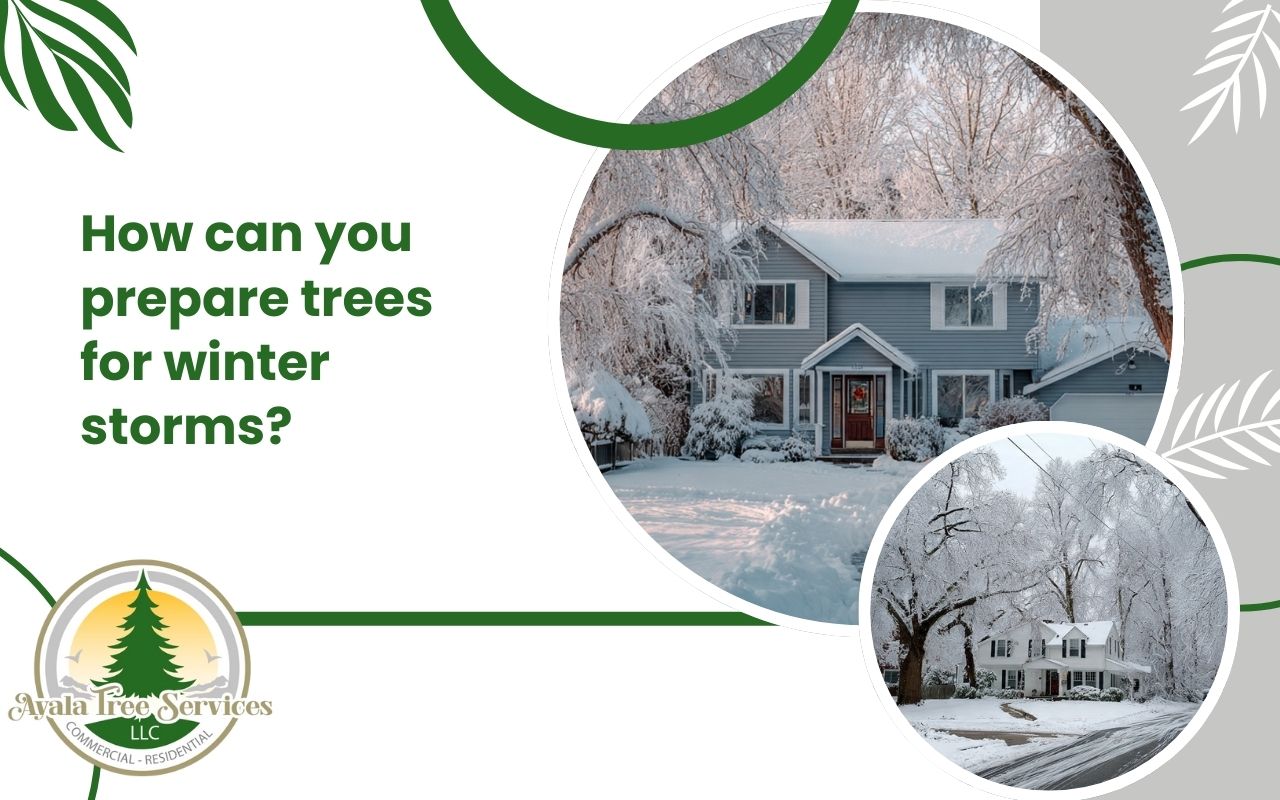
Winter storms can turn healthy trees into sudden hazards—broken limbs, ice-loaded canopies, and wind-thrown trunks. This guide on How to Prepare Trees for Winter Storms shares practical, homeowner-friendly steps to reduce damage before the first freeze. You’ll learn how to spot weak structure, prune safely, add support, and protect roots and bark. Smart prep keeps landscapes safer each year too.
How can you prepare trees for winter storms?
Inspect, prune, support, and monitor. To prepare trees for winter storms, inspect for decay and dead limbs, prune safely to remove weak growth, add mulch and deep watering before the ground freezes, and use cabling or staking for unstable leaders. After snow, brush off heavy loads gently and avoid breaking ice. For hazards near structures or power lines, call a professional.
Assessing tree health before winter arrives
Start with a slow walk-around check of the trunk, canopy, and root zone. Catching problems early lowers the frozen branch risk and helps you prioritize prevention before snow and ice arrive.
- Trunk and bark: look for cracks, soft spots, cavities, oozing, or fungal growth.
- Root zone: check for soil heaving, exposed roots, and recent leaning.
- Moisture stress: overly dry or waterlogged soil increases winter stress.
- Canopy structure: flag crossing, rubbing, dead, or diseased limbs.
Mark concerns with biodegradable tape so you can address them during pruning or a professional inspection.
Pruning techniques to strengthen trees
Pruning is one of the most effective ways to reduce breakage, especially for weak trees in winter. Aim for clean, well-timed cuts and avoid heavy removal right before extreme cold.
- Prune on mild, dry days when temperatures are above freezing.
- Use sharp, sanitized tools (loppers for small wood, a pruning saw for larger limbs).
- Cut just outside the branch collar to support natural healing.
- Thin crowded areas to lower snow load and improve air flow.
- Limit removal to ~25% of live canopy to avoid stressing the tree.
Identifying and addressing weak branches
Weak branches often show splitting bark, visible cracks, dead twigs, or a hollow sound when tapped. These defects increase frozen branch risk when ice adds weight and wind adds leverage.
What to do when you find a hazard
Remove small deadwood safely from the ground. For large, high, or structurally critical limbs, avoid ladder work in winter conditions. If a defect threatens your home, driveway, or a public area, it’s safer to schedule a professional evaluation and mitigation plan.
Implementing structural support measures
Support systems can buy time and prevent sudden failures in multi-stem trees or heavy, overextended limbs.
- Staking: stabilize young or newly planted trees with soft, flexible ties that won’t cut bark.
- Cabling: reduce movement between leaders and lower the chance of splitting under ice load.
- Bracing: reinforce weak unions or sagging limbs when pruning alone isn’t enough.
Support hardware should be chosen and installed correctly to avoid damage—especially on mature trees with valuable structure.
Protecting trees from ice accumulation and snow load
Ice is harder on trees than snow because it bonds to branches and adds weight quickly. Focus on prevention before snow and safe removal after storms.
Safe snow management
If branches are only lightly coated, leave them alone. If a limb is bending under wet, heavy snow, use a soft broom from the ground and sweep upward from trunk toward tips. Never strike branches or try to “break” ice off—brittle wood can snap suddenly.
Protection for young and sensitive trees
Wrap young trunks with breathable tree wrap (not plastic) to help reduce cracking from rapid temperature swings. Apply mulch to insulate roots, keeping it 2–3 inches deep and pulled back from the trunk.
Securing trees against strong winds
Wind turns small defects into failures. Reduce drag, keep roots stable, and remove nearby debris that can become a projectile.
Mulch + moisture matters: a properly mulched root zone helps retain moisture and insulate soil before it freezes, improving overall resilience during repeated cold snaps.
How to Prepare Trees for Winter Storms (Step by Step)
- Inspect each tree for decay, cracks, deadwood, and poor branch unions.
- Flag hazards (crossing limbs, heavy end-weight, weak forks) for pruning or support.
- Prune strategically to remove dead/diseased limbs and thin crowded areas.
- Stabilize weak structure with staking/cabling where appropriate.
- Mulch correctly (2–3 inches, kept off the trunk) and water deeply before freeze-up.
- After storms, inspect again and gently brush heavy snow from reachable branches.
- Escalate safety risks (leaning trees, split trunks, limbs over structures) to a qualified tree service.
Frequently Asked Questions
Should I remove snow from tree branches during a storm?
Only if a reachable branch is bending under wet, heavy snow. Use a soft broom from the ground and sweep upward. If branches are iced over, wait for thawing—forcing ice off can break the limb and worsen damage.
What are the warning signs of weak trees in winter?
Look for new leaning, cracks at branch unions, splitting bark, dead tops, mushroom/fungal growth at the base, and multiple co-dominant stems with a tight “V” shape. These issues increase the odds of failure under wind and ice loading.
When should I call for emergency help after a winter storm?
Call immediately if a tree or limb is on a roof, blocking access, or near power lines. For urgent storm damage support, review the service details here: https://ayalatreeservices.com/emergency-fallen-tree-removal/.
Is winter a good time to prune, or should I wait for spring?
Many trees tolerate dormant-season pruning well, but timing depends on weather and species. Avoid cutting right before deep freezes, and don’t prune in unsafe conditions. If you’re unsure, schedule an assessment so pruning decisions match your tree’s health and risk level.
How do I know if a tree is too risky to keep near my home?
If the trunk is compromised, the tree has severe lean with lifting roots, or major limbs overhang your home/driveway, removal may be safer than repeated repairs. For local options, see: https://ayalatreeservices.com/tree-removal-marietta-ga/.
When to call Ayala Tree Services LLC
Some winter prep is DIY-friendly, but professional help reduces risk when tools, heights, or structural defects create danger. Consider reaching out to Ayala Tree Services LLC if you see:
Split leaders, hanging limbs, trees leaning after wind, or branches near homes, vehicles, sidewalks, or utility lines. Use the contact page to request help specific to your property: https://ayalatreeservices.com/contact/.
References
Protect Your Trees from Storm Damage with These 6 Must-Know Tips
Don’t Miss the January Pruning Window – 7 Trees that Love a Winter Trim