
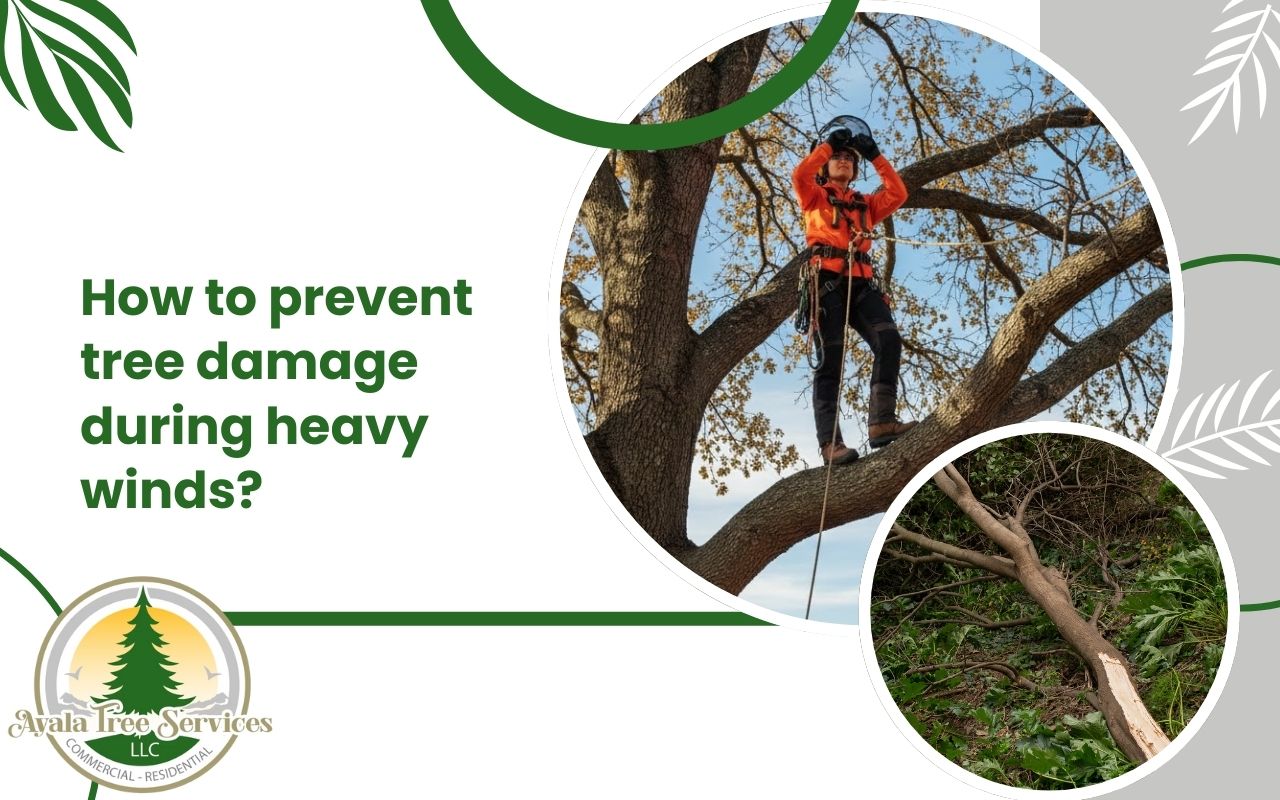
Strong winds can turn even healthy trees into safety hazards around your home. Learning how to prevent tree damage during heavy winds helps you protect your family, roof, and power lines. With a mix of smart planting, regular pruning, and simple storm prep, you can keep your landscape safer season after season while preserving the beauty of your mature trees.
How to prevent tree damage during heavy winds?
To reduce wind damage, combine proactive care and smart design. Choose wind-resistant species, plant them correctly, use structural pruning, maintain deep roots through watering and mulching, and add supports or windbreaks where needed. In high-risk situations or after storms, call a certified arborist or local emergency crew to assess safety before you work near damaged trees.
Importance of tree maintenance before storms
Regular maintenance is your first line of defense against broken branches and uprooted trunks. By scheduling trimming before storms, you remove weak, dead, or rubbing limbs that could snap and fall on roofs, cars, or power lines. Thoughtful pruning also creates a balanced canopy, lowering wind resistance and helping trees bend instead of break during severe weather.
- Inspect annually: Look for deadwood, cracks, and crossing branches.
- Prune correctly: Make clean cuts outside the branch collar to support healing.
- Protect the root zone: Avoid parking or storing heavy items over roots.
Support stability at the base by caring for roots. A wide ring of mulch around the drip line keeps soil moist and cooler, encouraging deeper roots. In some cases, tree anchoring with flexible stakes can help young trees stand firm until they develop a stronger root system.
Choosing wind-resistant tree species
Good species selection makes it much easier to prevent tree damage during heavy winds. Favor native trees that naturally tolerate storms in your region and develop deep, wide-spreading roots. In Roswell, GA and similar climates, local arborists can recommend species that have proven to survive repeated weather events with minimal breakage.
- Look for strong wood: Species with dense, flexible wood resist snapping.
- Prefer balanced crowns: Rounded or narrow forms handle gusts better than top-heavy shapes.
- Mix ages and species: Diversity limits large-scale damage during any single storm.
Plant strategic windbreak trees such as sturdy evergreens along the edges of your property, spacing them so wind can filter through rather than hit a solid wall. This natural barrier reduces gust speed and shields more delicate specimens and outdoor structures behind it.
Proper tree planting techniques for wind protection
Wind resistance starts the day a tree goes into the ground. Plant at the correct depth, with the root flare visible at soil level, so roots grow outward and downward instead of circling. A well-planted tree establishes quickly and anchors itself, making it less likely to lean or uproot when storms arrive.
Dig a planting hole two to three times wider than the root ball but no deeper. Backfill with native soil, adding organic matter only if necessary to improve drainage. In exposed locations, early tree anchoring using soft, flexible ties attached to stakes can limit excessive sway without preventing the trunk from moving enough to grow stronger.
Structural pruning for tree strength
Structural pruning shapes a tree’s framework so it can endure decades of storms. Early in the tree’s life, remove competing leaders to keep one dominant trunk, and thin crowded limbs so they are evenly spaced around the canopy. This reduces leverage on any single branch and helps wind pass through the crown.
- Establish one strong leader: Remove co-dominant stems with tight V-shaped unions.
- Space main limbs: Aim for staggered branches, not clusters at one height.
- Eliminate hazards: Prune dead, diseased, or cracked branches promptly.
For mature trees, structural pruning should be conservative and ideally completed by a certified arborist. If you are unsure where to start, schedule a professional assessment through your trusted tree service in Roswell, GA to avoid over-thinning or destabilizing the canopy.
Mulching and watering techniques for tree health
Healthy roots hold trees in place during high winds. Apply a 2–4 inch layer of organic mulch from a few inches away from the trunk out toward the drip line. This moderates soil temperature, conserves moisture, and reduces competition from turf, all of which encourage deeper, more resilient root systems.
Water deeply but infrequently so moisture reaches the lower root zone instead of staying near the surface. During dry periods, long, slow soakings are better than frequent light sprinklings. Avoid overwatering, which can lead to shallow roots and unstable soil. Combined, smart mulching and watering create the underground support trees need to ride out storms safely.
Installing support systems for trees
Some trees—especially young, top-heavy, or previously damaged specimens—benefit from extra support during the windiest years. Flexible staking and guying systems reduce excessive sway while still allowing movement that strengthens the trunk. Properly installed supports can prevent lean, blowover, and root damage in exposed yards or on slopes.
For larger trees, professional cabling or bracing may be needed to stabilize heavy limbs or weak branch unions. Because improper hardware can injure bark or fail under stress, these systems should be designed and installed by an experienced arborist. If you notice splitting crotches or overextended limbs above structures, request an inspection before the next storm season.
Monitoring trees for signs of damage
Consistent monitoring helps you fix problems while they are still small. Walk your property several times a year and after major wind events, looking for new cracks, peeling bark, mushrooms at the base, or freshly exposed roots. These signs may indicate internal decay or root failure that could lead to sudden breakage.
Address minor issues quickly. Cleanly prune torn branches, refresh mulch where roots are exposed, and adjust any supports that are rubbing or too tight. For large wounds, tilting trunks, or widespread dieback, contact a professional to assess whether the tree can be preserved safely or should be removed to protect nearby structures and people.
Knowing when to seek professional tree care services
Not every job is safe as a DIY project, especially when ladders, power tools, or overhead power lines are involved. If you see major decay, visible root lifting, or large limbs hanging over your roof, it is time to call in experts. Skilled crews can evaluate risk and recommend pruning, cabling, or removal.
When a tree is clearly failing or poses a serious hazard, exploring the benefits of professional tree removal is often the safest choice. In Roswell, you can also research the best tree removal services in Roswell to ensure your property is protected by licensed, insured specialists who understand local conditions.
Emergency preparedness after heavy winds
Even with excellent preparation, powerful storms can still damage trees. Having a plan before bad weather hits will help you respond quickly and safely after it passes. Keep important numbers handy and store basic cleanup tools where you can access them without walking under leaning or broken trees.
- Prioritize safety: Stay away from downed power lines and keep others back.
- Document damage: Take photos for insurance and future planning.
- Clear light debris only: Leave large limbs and hanging branches for professionals.
For hazardous situations, contact an emergency tree service in Roswell, GA before attempting any major cuts yourself. After the immediate danger is addressed, consider scheduling a full property inspection to update your long-term storm-preparedness plan.
How to protect trees step by step
Use this simple process to learn how to prevent tree damage during heavy winds and keep your yard safer year-round:
- Inspect: Walk your property and note deadwood, cracks, or leaning trunks.
- Plan: Choose wind-resistant species and place windbreak trees in exposed areas.
- Plant correctly: Set trees at the right depth and avoid compacting soil.
- Prune smart: Schedule structural pruning and trimming before storms.
- Support: Add safe tree anchoring or cabling where needed.
- Maintain: Mulch, water deeply, and recheck trees after each major storm.
- Call professionals: Use an expert tree service contact form when damage or risk feels beyond your comfort level.
Frequently Asked Questions
When should I schedule trimming before storms in Roswell, GA?
Ideally, plan pruning during the dormant season or several weeks before the peak storm period. This gives trees time to recover from cuts. If you are unsure about timing, request a seasonal inspection through your trusted tree service in Roswell, GA.
How do I know if a tree is too risky to keep after a storm?
Warning signs include new leans, major root lifting, deep trunk cracks, and large hanging limbs over buildings. When in doubt, book a safety evaluation or use an emergency tree service in Roswell, GA to decide whether repair or removal is safer.
Is professional structural pruning worth the investment?
Yes. Expert structural pruning can extend a tree’s life, reduce storm damage, and lower future cleanup or repair costs. Hiring a certified arborist is especially important for large trees near homes, driveways, or play areas.
What can I do if I can’t afford major tree work all at once?
Ask your arborist to prioritize the highest-risk trees and create a phased plan. Address hazards near structures and walkways first, then schedule additional pruning or removals over time. This approach spreads costs while still improving safety each season.
How do I quickly reach a local expert after sudden tree damage?
Save your preferred company’s phone number and bookmark their contact page now. After a storm, use that page to request urgent help, upload photos, and get guidance on staying safe until a crew arrives.
Conclusion and key takeaways
Preventing tree damage during heavy winds is all about preparation. Choose suitable species, plant them correctly, and support deep roots with proper watering and mulch. Combine trimming before storms, structural pruning, and smart use of windbreaks and supports with timely professional help to keep your trees—and your property—safer through every storm season.
References
- Protect Your Trees from Storm Damage with These 6 Must-Know Tips – Better Homes & Gardens.
- 4 Ways to Protect Your Garden Against Heavy Winds – The Spruce.