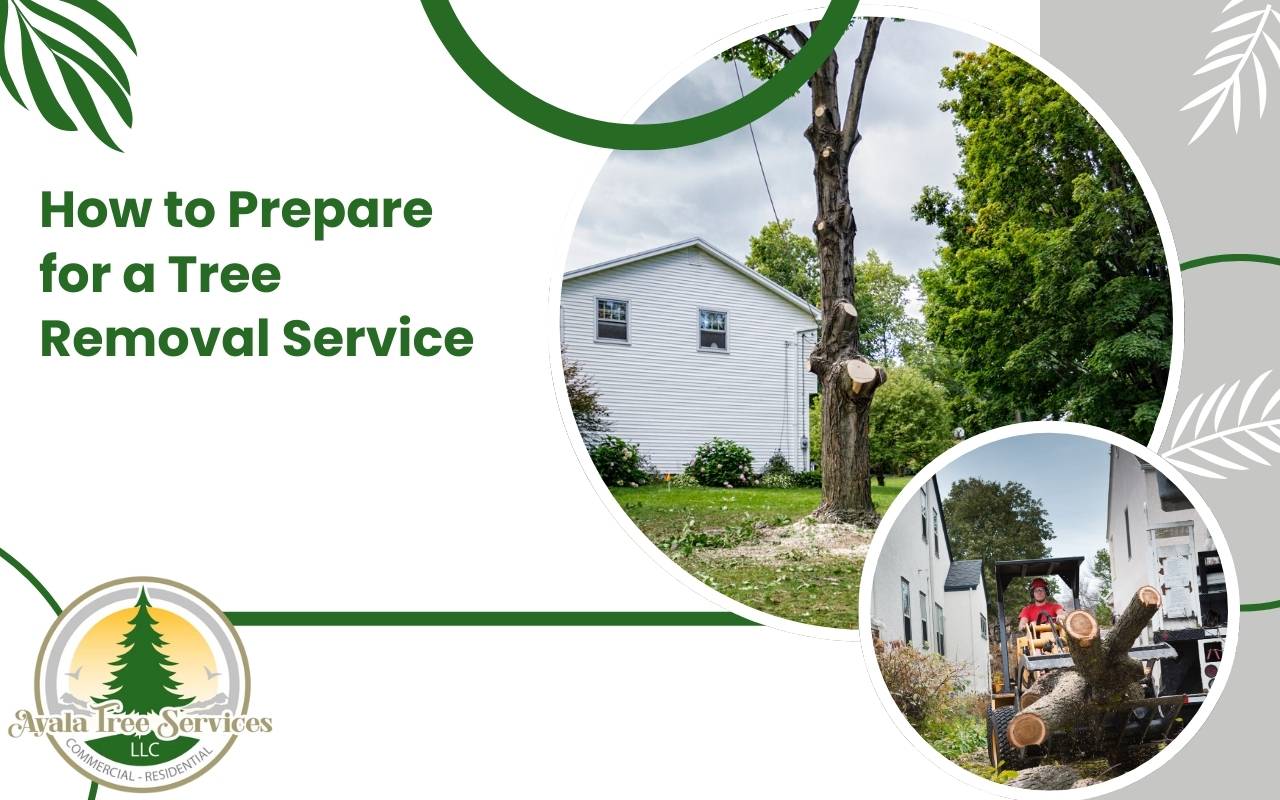
Navigating tree removal can feel daunting. A diseased or hazardous tree requires attention, planning, and safe execution. Safety is always the priority. Preparing carefully transforms uncertainty into confidence. Understanding tree removal preparation tips ensures the process is smooth, safe, and efficient. By planning in advance, you minimize risks and maximize results. Before starting, clear hazards and create a contractor checklist. Each precaution, therefore, helps protect your property and family. This guide shares essential tree removal preparation tips to make the process manageable.
Assessing the Tree’s Condition
Before work begins, assess the tree’s health. Look for fungal growth, cankers, or excessive dead branches. A leaning trunk might signal root decay or erosion. Thinning foliage often reveals hidden health problems. Careful observation, in fact, helps define challenges and guides the arborist’s work. This step anchors tree removal preparation tips. Document cracks, cavities, or insect infestations with photos. Such evidence strengthens discussions with professionals. Additionally, include notes on trunk diameter and canopy spread in your contractor checklist. Accurate details streamline quotes and ensure effective planning.
Determining the Best Removal Method
After assessment, decide on the safest removal method. In open areas, a direct drop may work. However, confined sites near power lines require sectional dismantling. This method lowers branches and trunk pieces carefully. Consider height, lean, and weight distribution. Consult your arborist about rigging techniques and equipment. Early collaboration avoids delays and, moreover, supports safe operations. Proper planning truly reflects the essence of tree removal preparation tips.
Obtaining Necessary Permits and Permissions
Local ordinances may regulate tree removal. Failing to comply could cause costly fines. Contact your city planning office for requirements. Some trees are protected, demanding permits. Arborists often help with applications; however, always verify deadlines. If the tree is near a property line, neighbors may need notification. Clear communication fosters cooperation and trust. Collect consent forms and keep them on file. Following rules, therefore, demonstrates professionalism and commitment to safe practices.
Clearing the Work Area
Before removal, clear the surrounding area. Move vehicles, furniture, and fragile items away. Use tape or barriers to mark safety zones. These precautions not only prevent damage but also reduce accidents. Check underground utilities and sprinkler systems before digging. Additionally, notify local utility services to mark lines. Clearing space embodies proactive tree removal preparation tips, ensuring smooth work and safe conditions.
- Remove outdoor belongings from the area.
- Mark a clear perimeter with tape or fencing.
- Check for underground utilities before work starts.
Securing Professional Tree Removal Services
Hire certified arborists or licensed removal companies. Compare bids that include labor, equipment, debris disposal, and permits. Look for ISA credentials and valid business licenses. Read reviews to confirm professionalism. During consultations, stress your priorities: safety, minimal impact, and thorough cleanup. Professional services integrate tree removal preparation tips at every stage. For reliable support, explore our safe tree removal guide.
Verifying Insurance Coverage
Always confirm insurance coverage before work begins. Contractors must carry liability and workers’ compensation insurance. Review policy limits carefully. Discuss your homeowner’s insurance to detect gaps. Add certificates to your contractor checklist. Verified coverage not only reduces risks but also provides peace of mind. This diligence reflects responsible use of tree removal preparation tips.
Developing a Contingency Plan
Unpredictable issues can occur. Weather, hidden decay, or unexpected collapses complicate removal. Prepare a contingency plan in advance. First, choose backup dates for delays. Second, discuss emergency actions with your contractor. Maintain communication channels like group chats for quick updates. A strong plan, in consequence, embodies proactive tree removal preparation tips and keeps the project safe.
- Set backup dates for weather delays.
- List alternative equipment and contacts.
- Keep a communication plan for emergencies.
Preparing for Post-Removal Cleanup
Cleanup is a key phase. Decide between on-site chipping or hauling debris away. Ask about recycling wood into mulch. Confirm stump removal details in advance. Moreover, prepare for turf restoration by adding topsoil or planting grass. Including these steps in your contractor checklist ensures seamless restoration. Cleanup, finally, finalizes tree removal preparation tips with efficiency and care.
Ensuring Safety Measures During the Removal Process
Safety measures guide every stage of removal. Workers must wear helmets, gloves, and protective clothing. Use fall-arrest systems for elevated work. Chainsaw operators should follow ANSI standards. Establish exclusion zones around the site. Assign a spotter to monitor risks. These precautions, therefore, enforce the “safety first” principle. Secure and careful practices are central to tree removal preparation tips.
- Require protective equipment for all workers.
- Establish exclusion zones with barriers.
- Train crews in emergency response protocols.
Frequently Asked Questions
How should I prepare my yard for tree removal?
Clear outdoor items, mark safety zones, and notify neighbors if necessary. These steps, in fact, align with tree removal preparation tips.
Do I need a permit for tree removal?
Many cities require permits, especially for large or protected trees. Therefore, always confirm regulations before scheduling removal.
What safety measures should I expect from professionals?
Certified arborists use protective gear, exclusion zones, and secure rigging techniques to ensure safe tree removal.
How do I choose the right tree removal company?
Look for credentials, insurance coverage, and positive reviews. A trustworthy service, moreover, follows strict tree removal preparation tips.
What happens to the wood after removal?
Debris can be chipped, hauled away, or recycled into mulch. Discuss disposal options, in addition, in your contractor checklist.
Final Tips for a Successful Tree Removal Service
Preparation transforms tree removal into a safe, streamlined process. From assessment and permits to cleanup and safety, every step matters. Always emphasize tree removal preparation tips like clearing areas, verifying insurance, and communicating with your arborist. For expert assistance, reach out through our contact page or explore our Roswell tree services. With careful planning, you’ll achieve successful results while safeguarding your property and family.